Project Overview
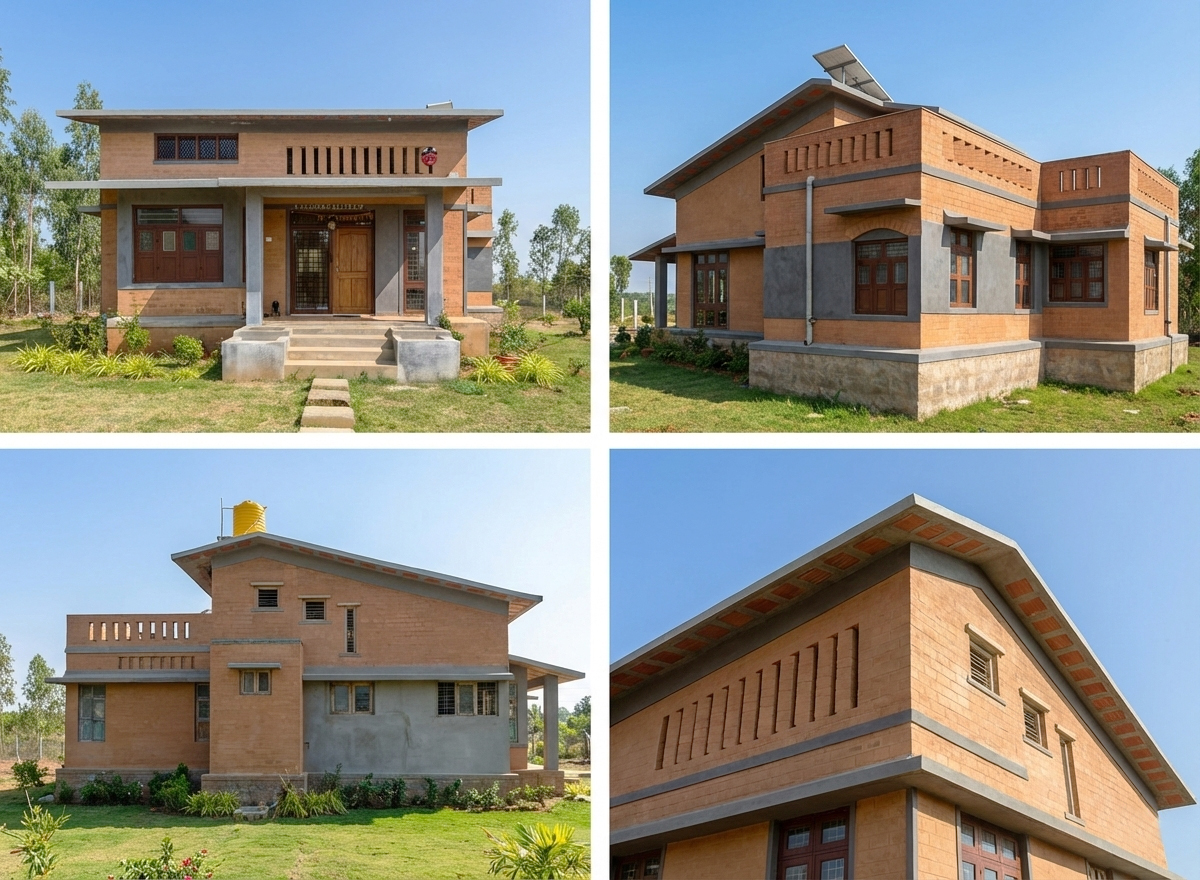
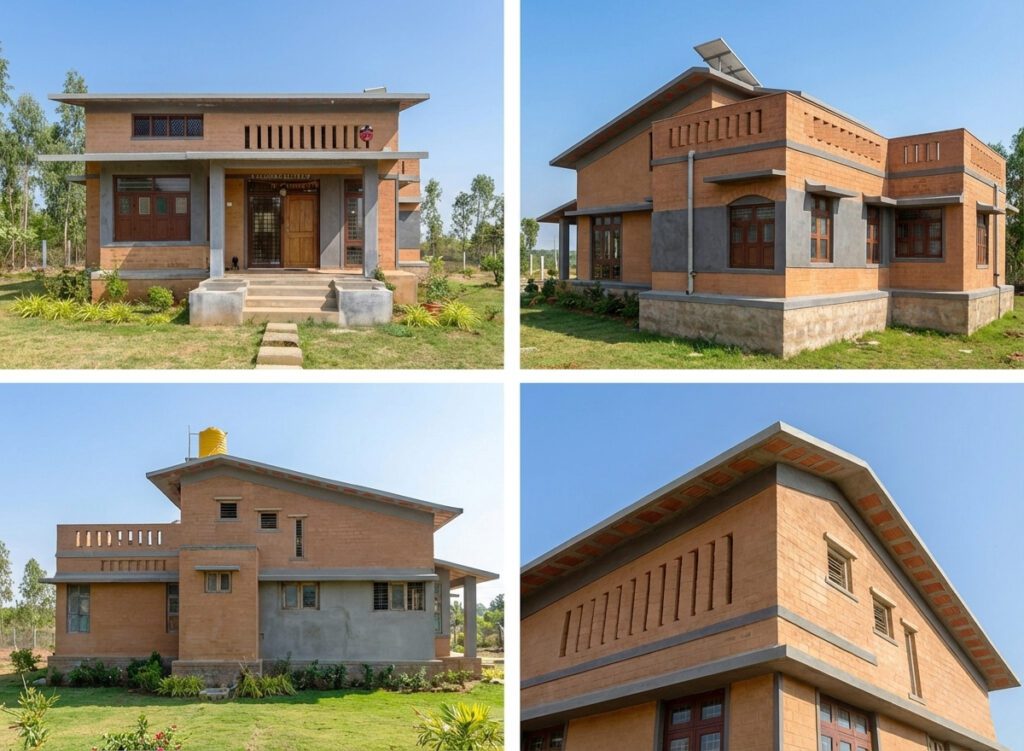
Designed as a weekend retreat, this farmhouse is conceived as a place where family and friends can come together in an informal, relaxed setting. Spaces are filled with light and air, flowing effortlessly into one another and extending outward into the landscape, creating a home that encourages interaction and slow living.
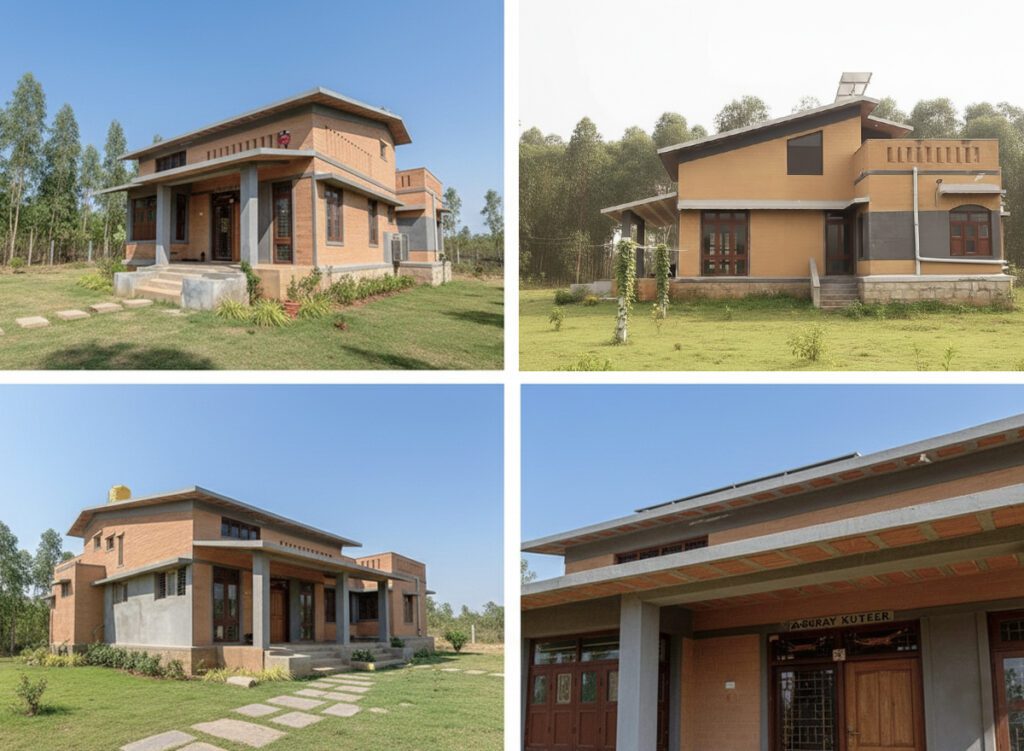


Architecture and Spatial Experience
The planning emphasises openness and continuity between indoor and outdoor spaces. Living, dining, and gathering areas are loosely defined, allowing movement and views to remain uninterrupted. The house is grounded in its rural setting, with architecture that remains modest in scale while being deeply responsive to climate and use.
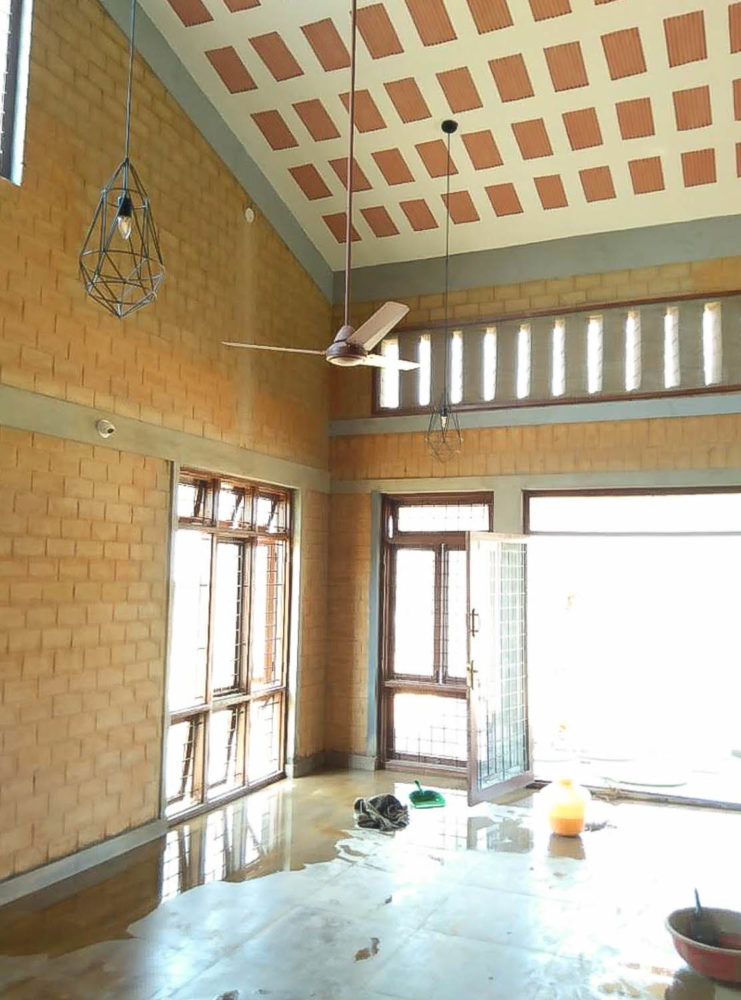
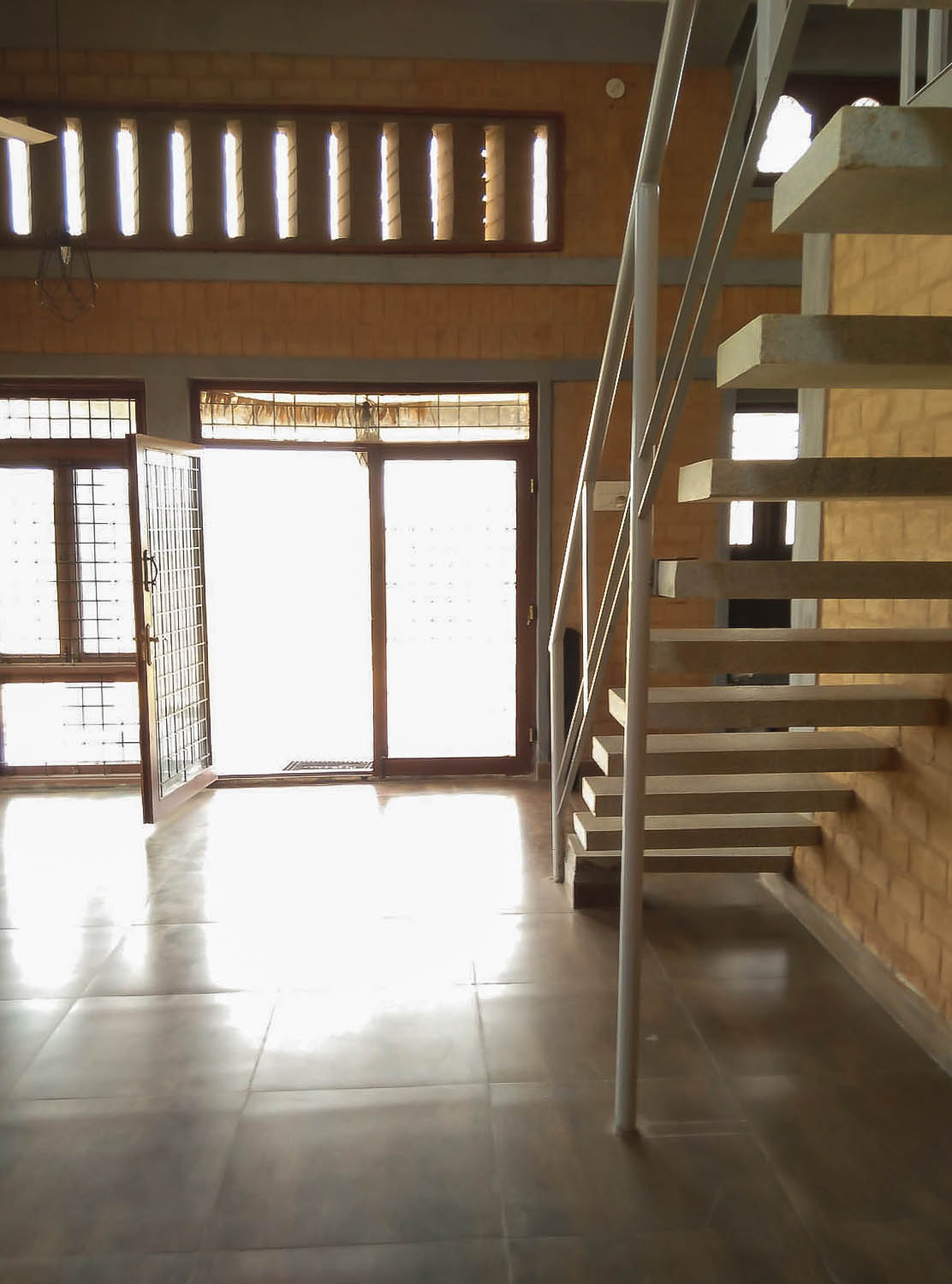
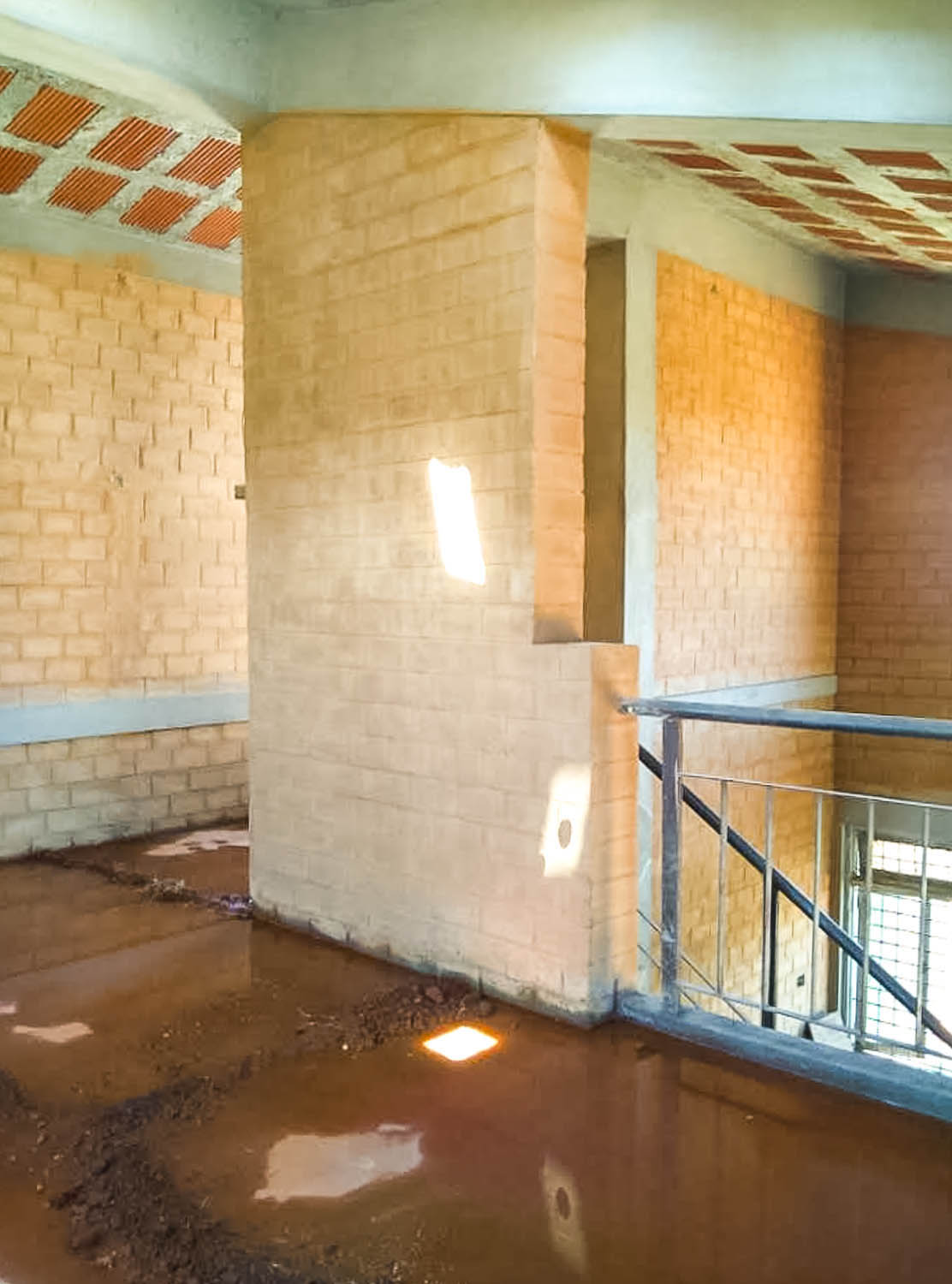


A Zero-Waste, Sustainable Approach
This farmhouse is conceived as a zero-waste project and serves as a practical example of sustainable architecture. Sustainability is embedded in every stage of the design and construction process—from material sourcing and construction methods to water and energy management.


Materials and Construction
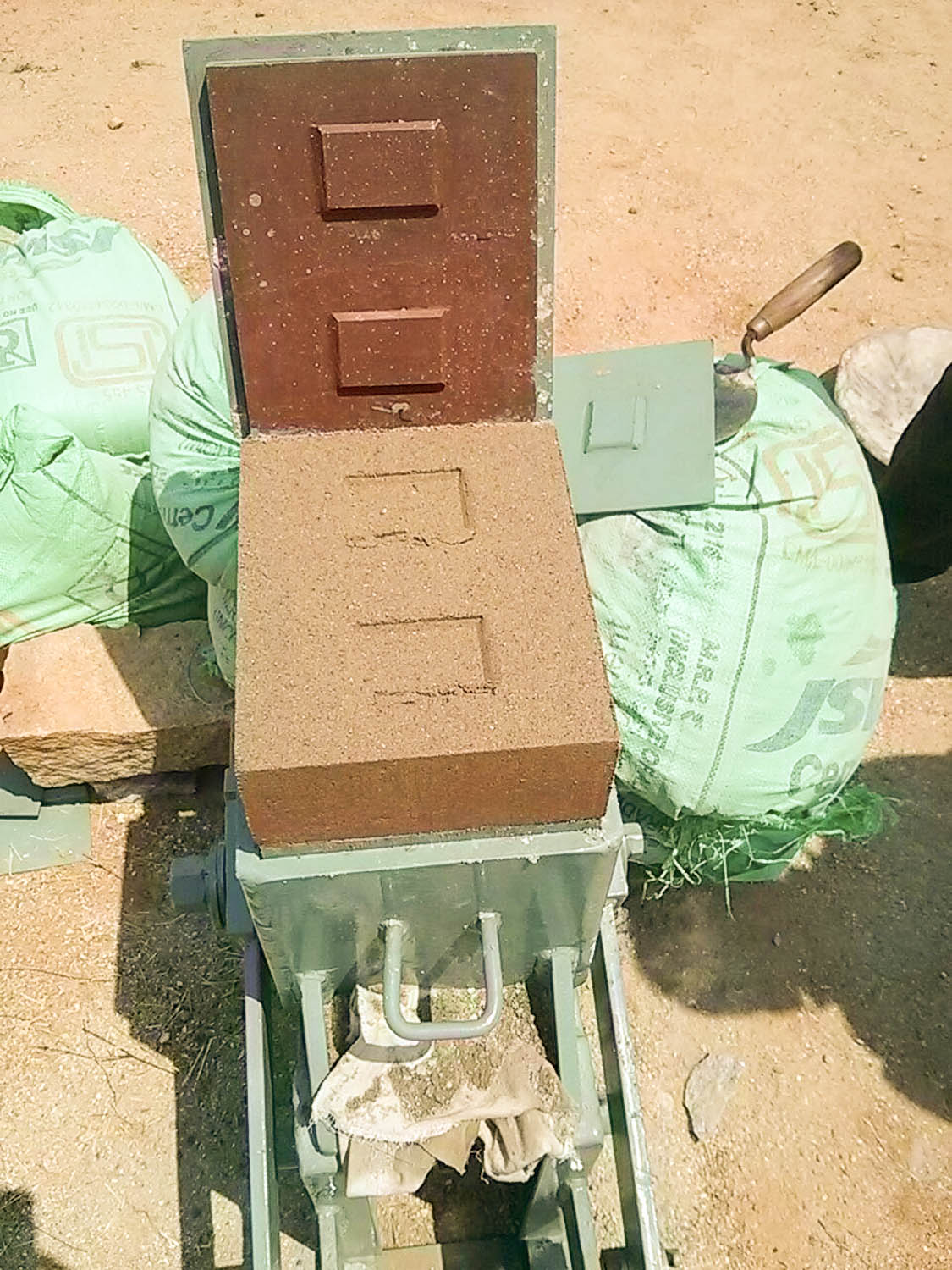
- Compressed Stabilised Earth Blocks (CSEB):
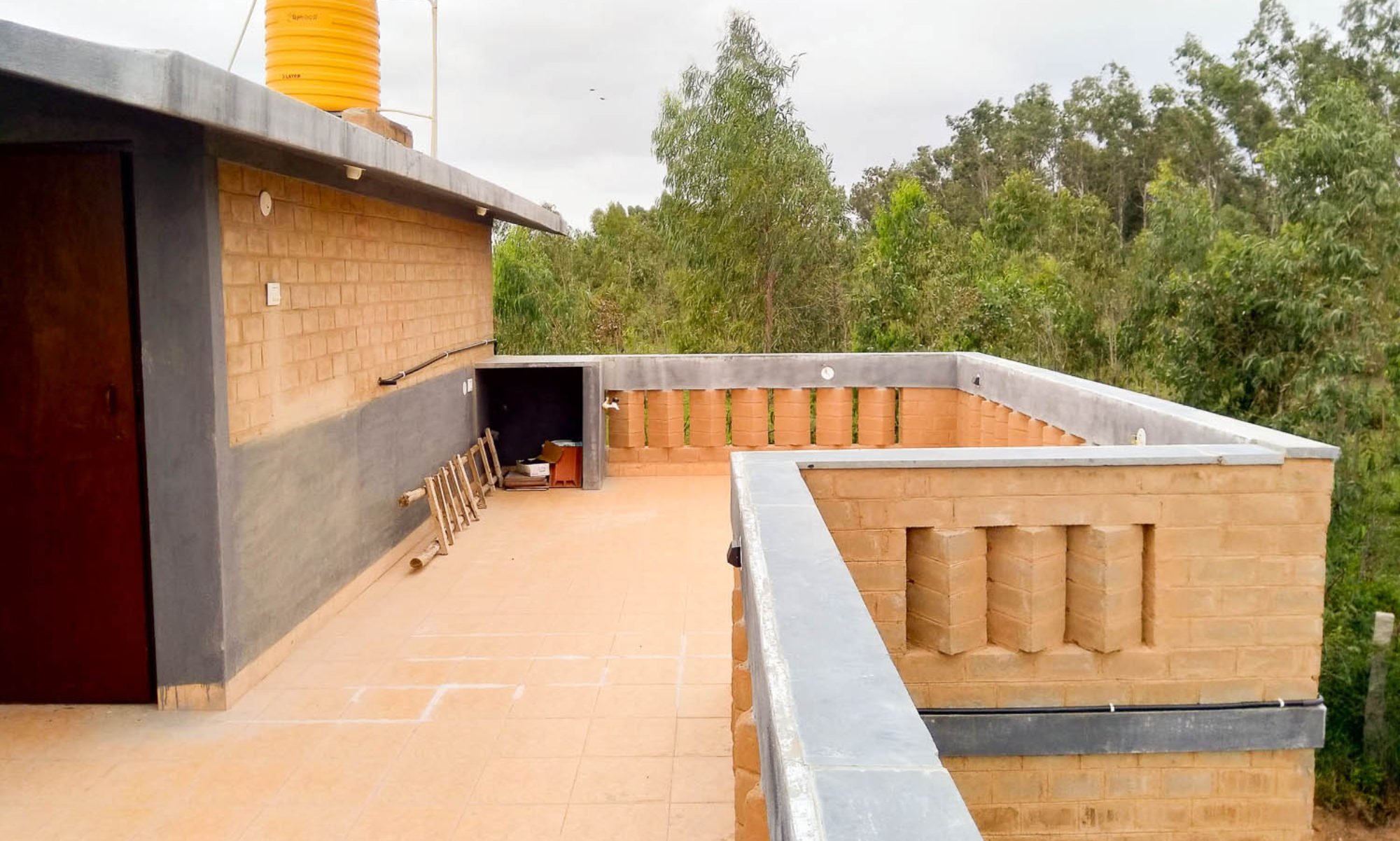
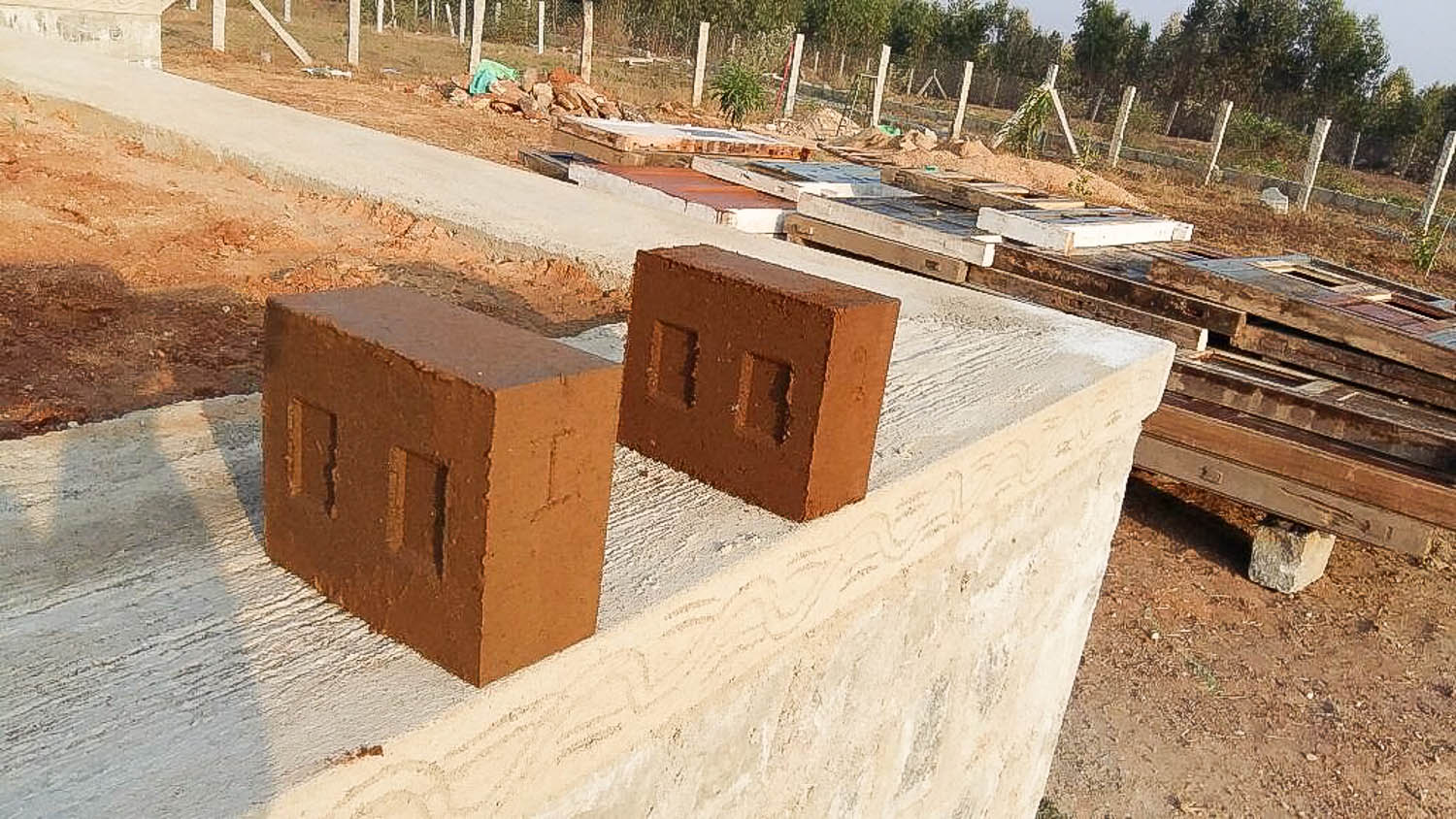
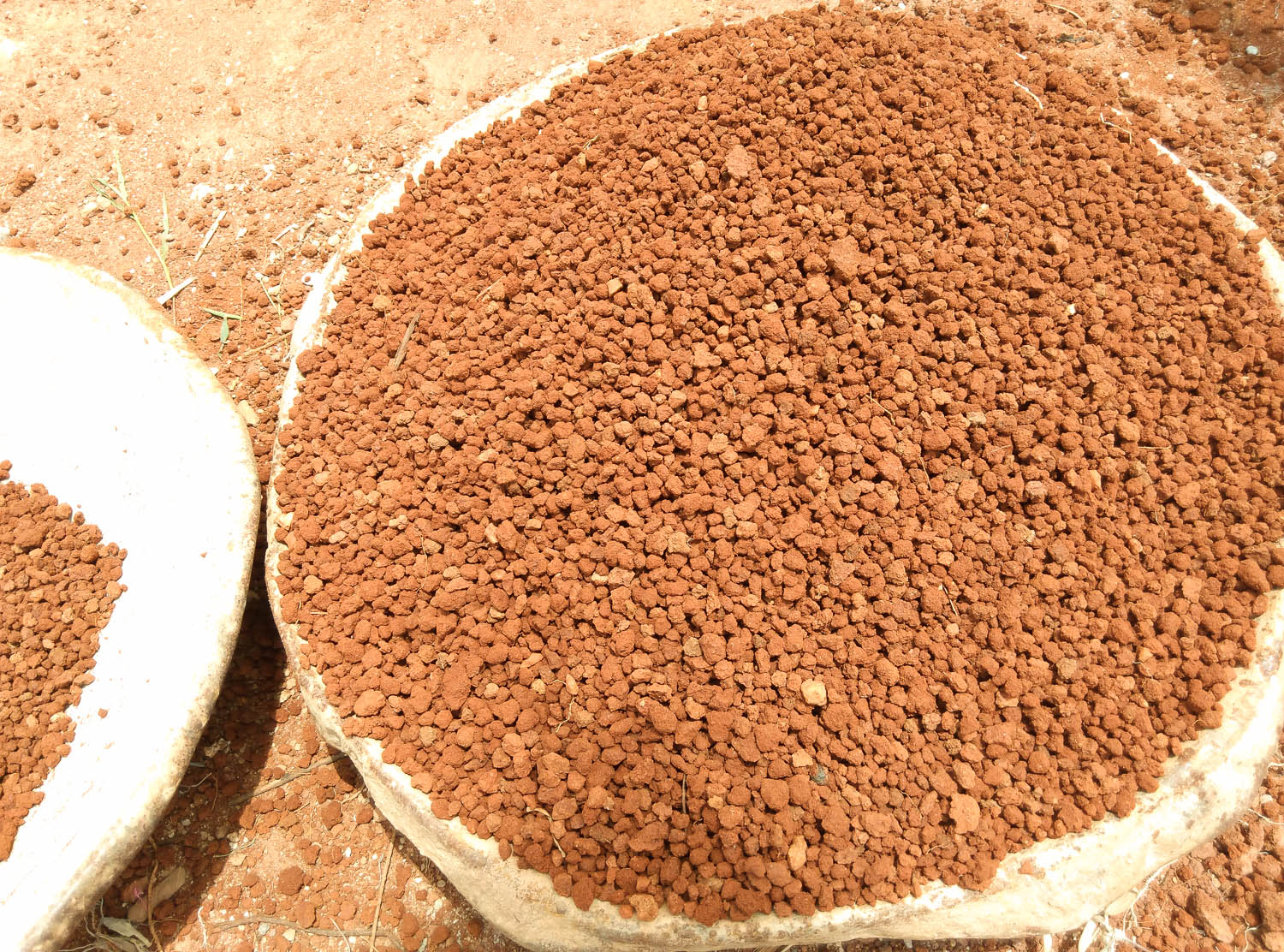
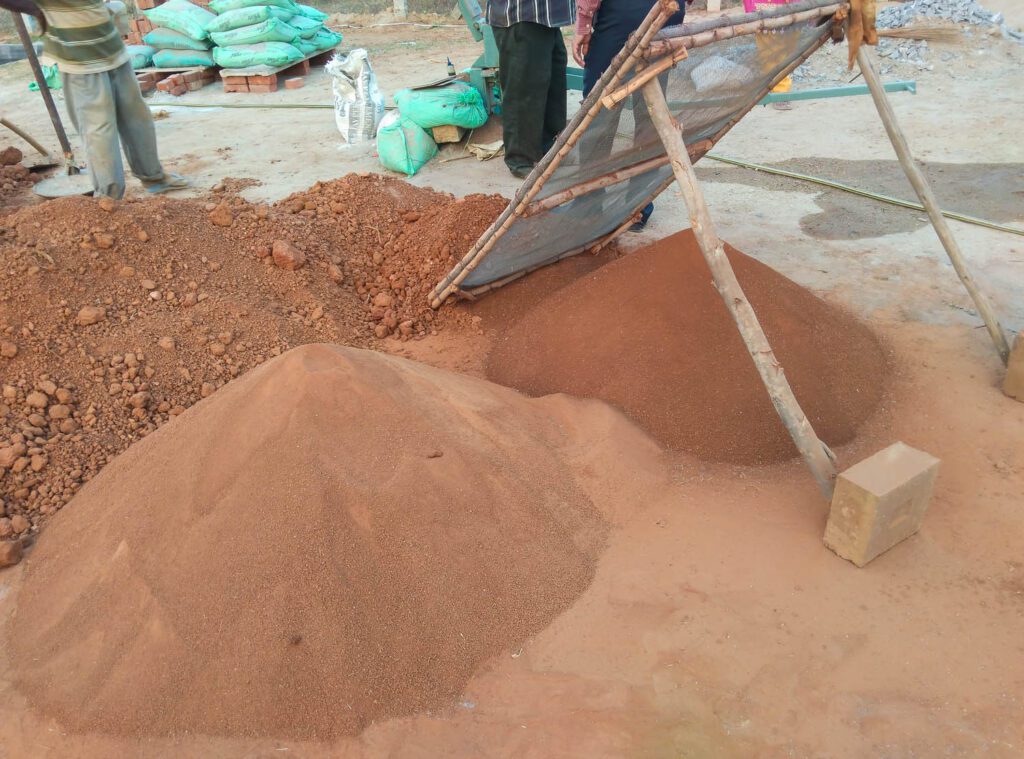
Mud blocks were made on site using local soil, granite dust in place of sand, and minimal cement. The blocks were sun-dried rather than kiln-baked, significantly reducing embodied energy. - Precise Material Planning:
The exact number of blocks required was calculated during the drawing stage, resulting in almost no construction debris. - Reused Doors and Windows:
All doors and windows were sourced from demolished buildings. The design was adapted to suit available elements rather than custom-fabricating new ones. - Recycled Steel Elements:
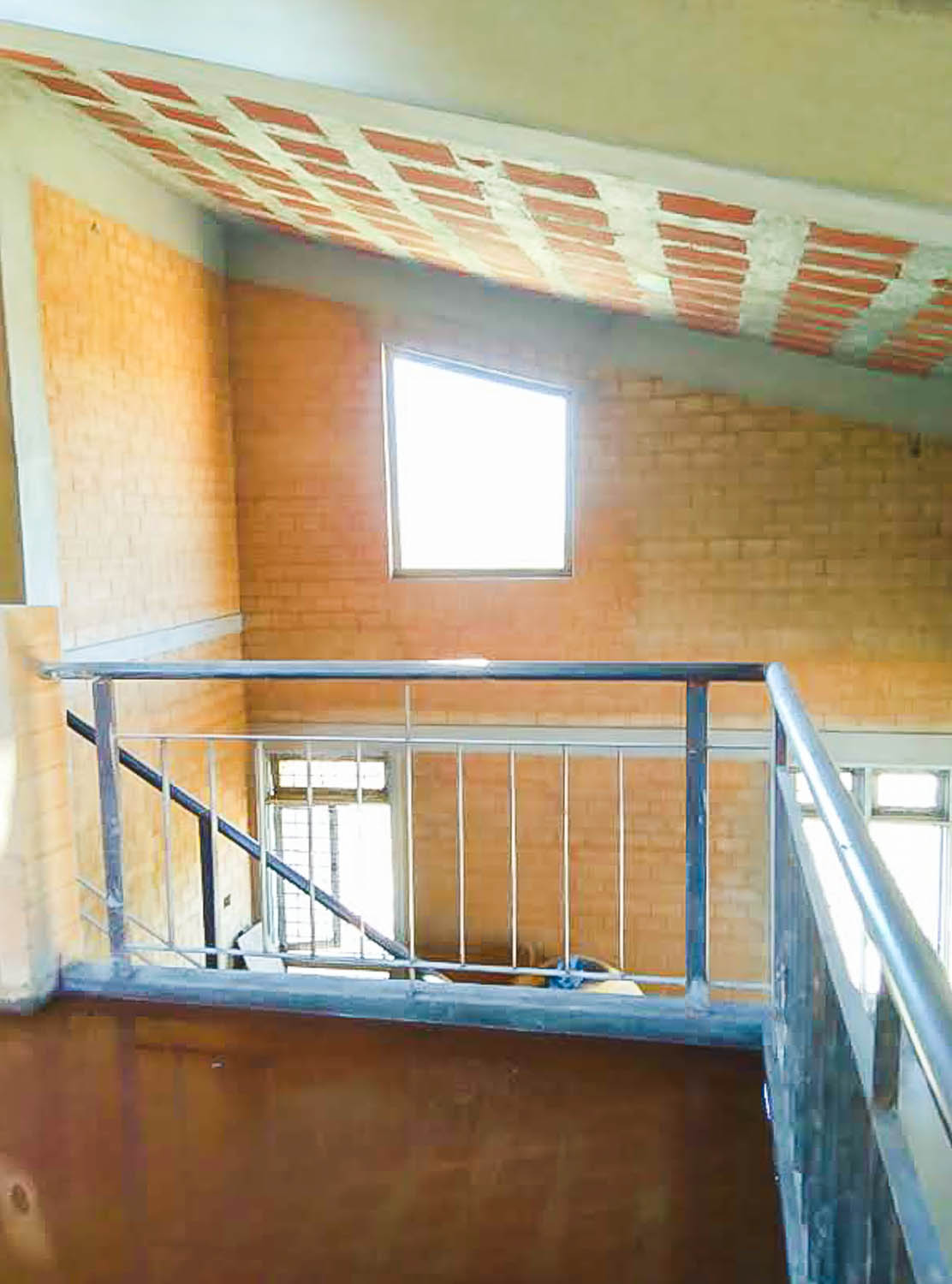
Existing grills attached to reused doors and windows eliminated the need for new steel fabrication. An old steel railing was repurposed for the mezzanine level. - Filler Slabs:
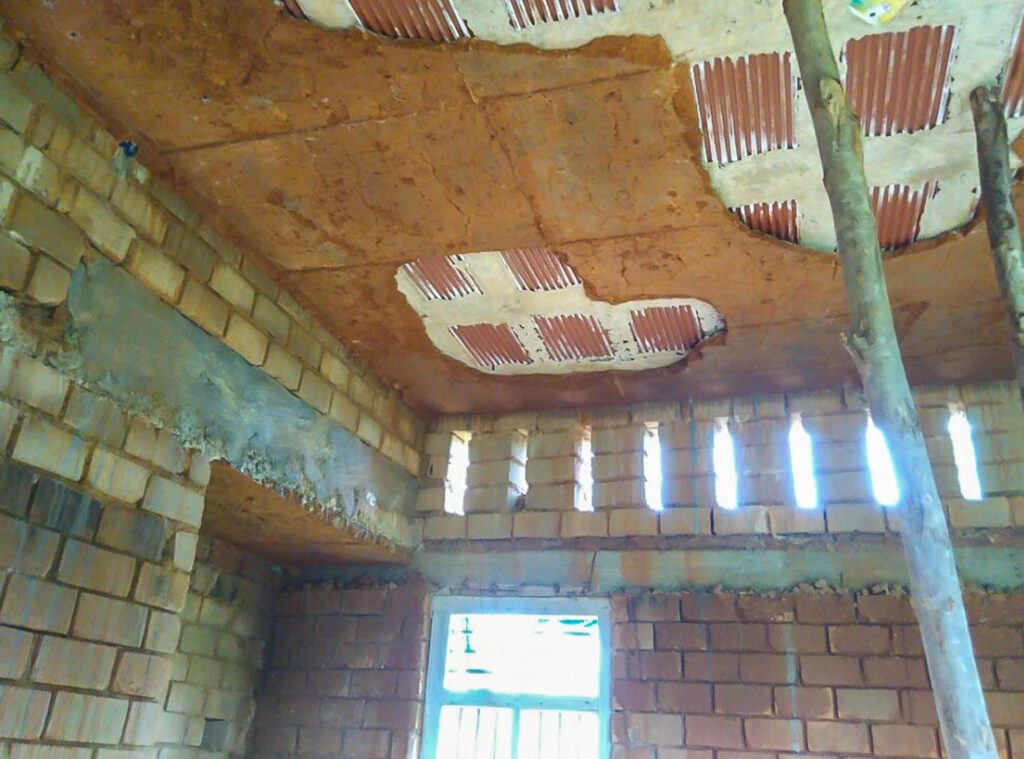
Filler slabs were used for all RCC slabs and sloping roofs, reducing steel consumption by over 30%. - Minimal Finishes:
Cement plaster was restricted only to exterior wall portions vulnerable to rain. Interior walls are largely left as exposed brick, with minimal plaster and no paint.
Water Management
- Roof rainwater is collected, filtered, and stored in a ground-level tank for household use.
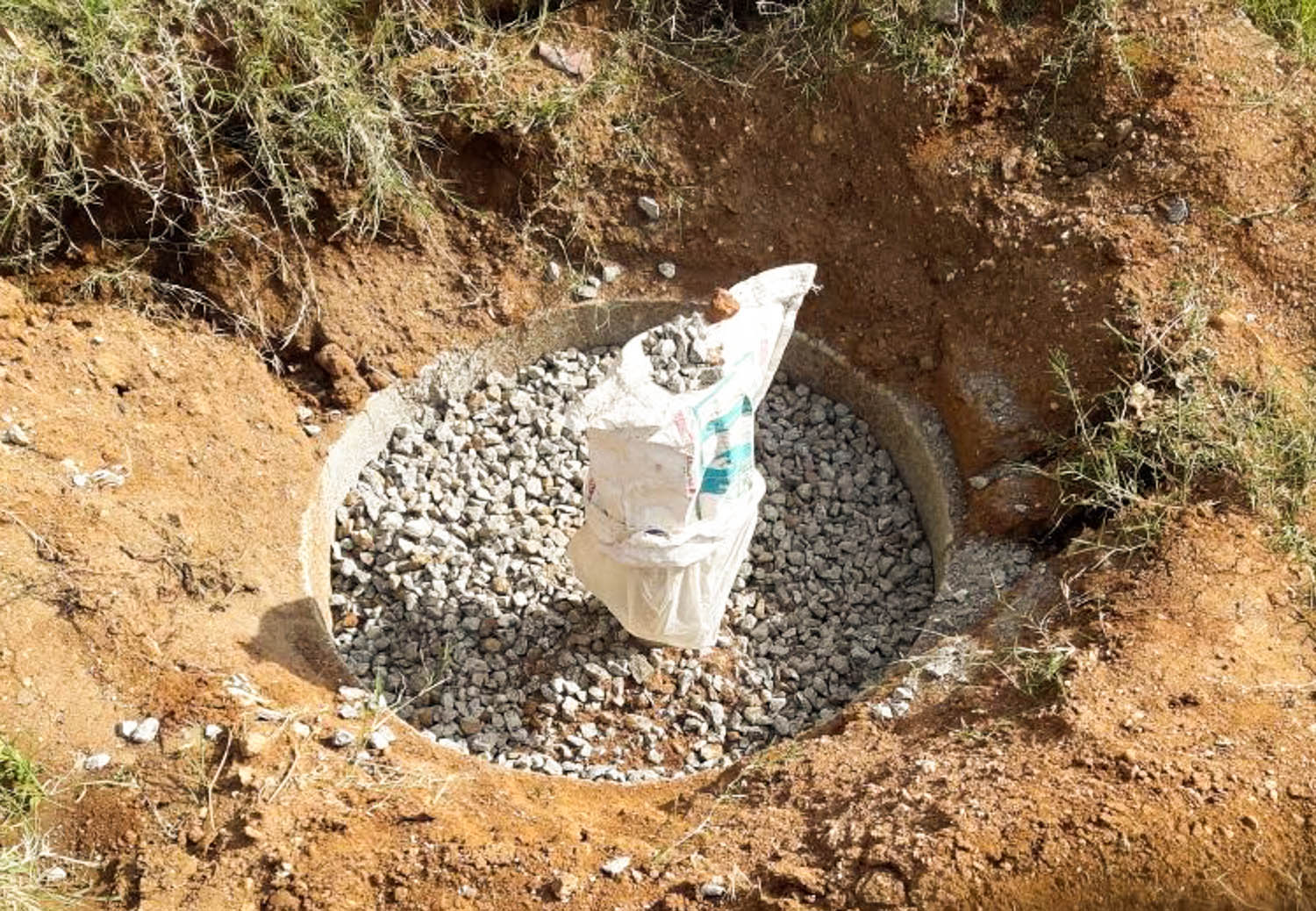
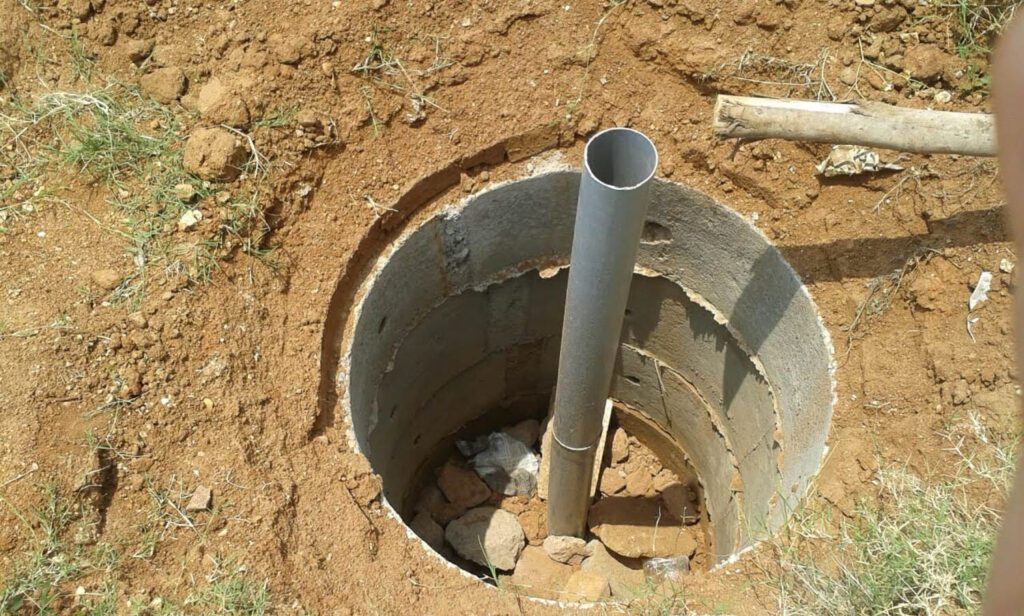
- Surface runoff is harvested through a recharge sump layered with filtration media, with provision for pumping when required.
- Grey water from bathrooms is filtered and diverted to the backyard vegetable garden. The use of herbal, non-chemical products by the occupants supports this system.
Energy Self-Sufficiency
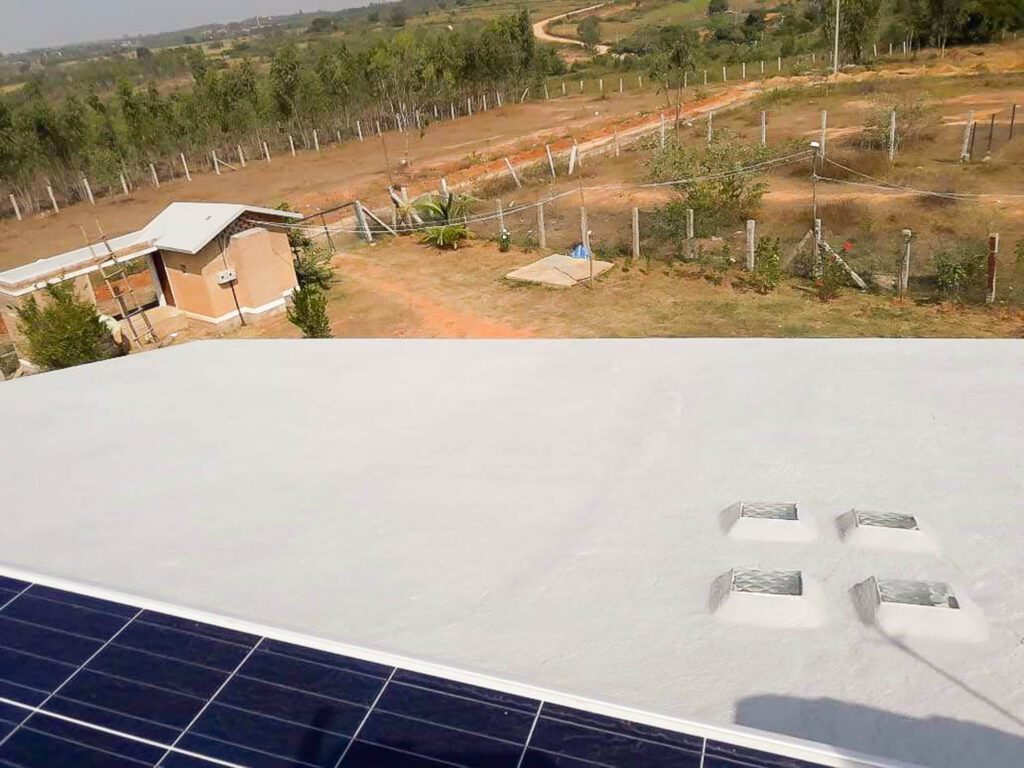
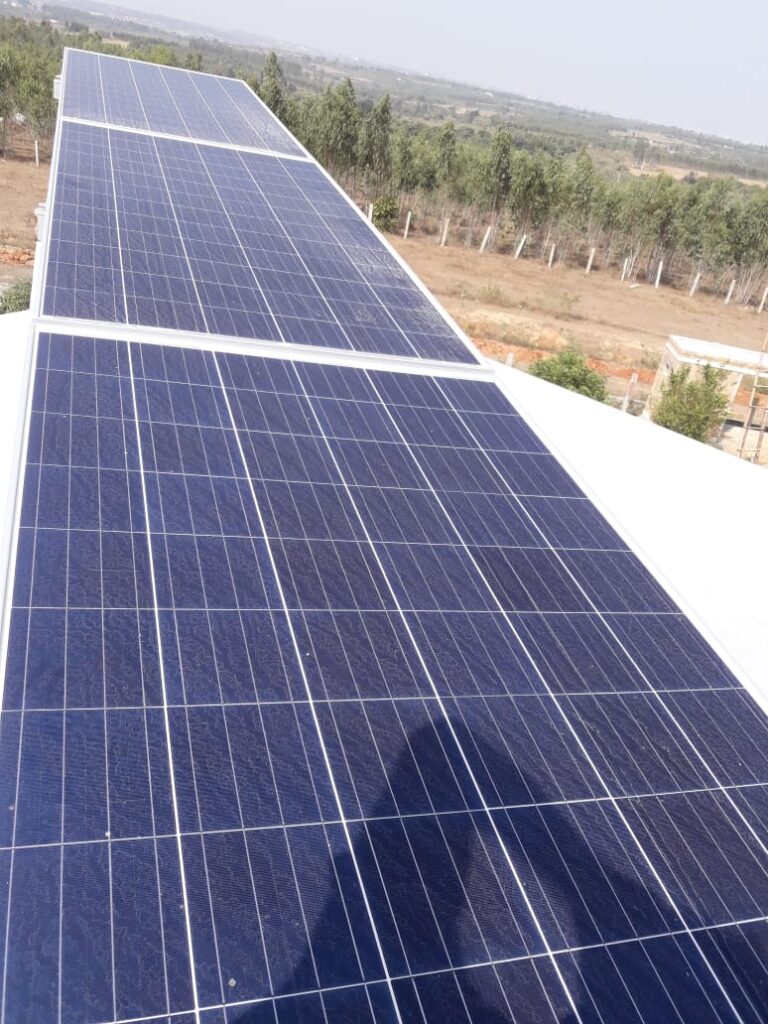
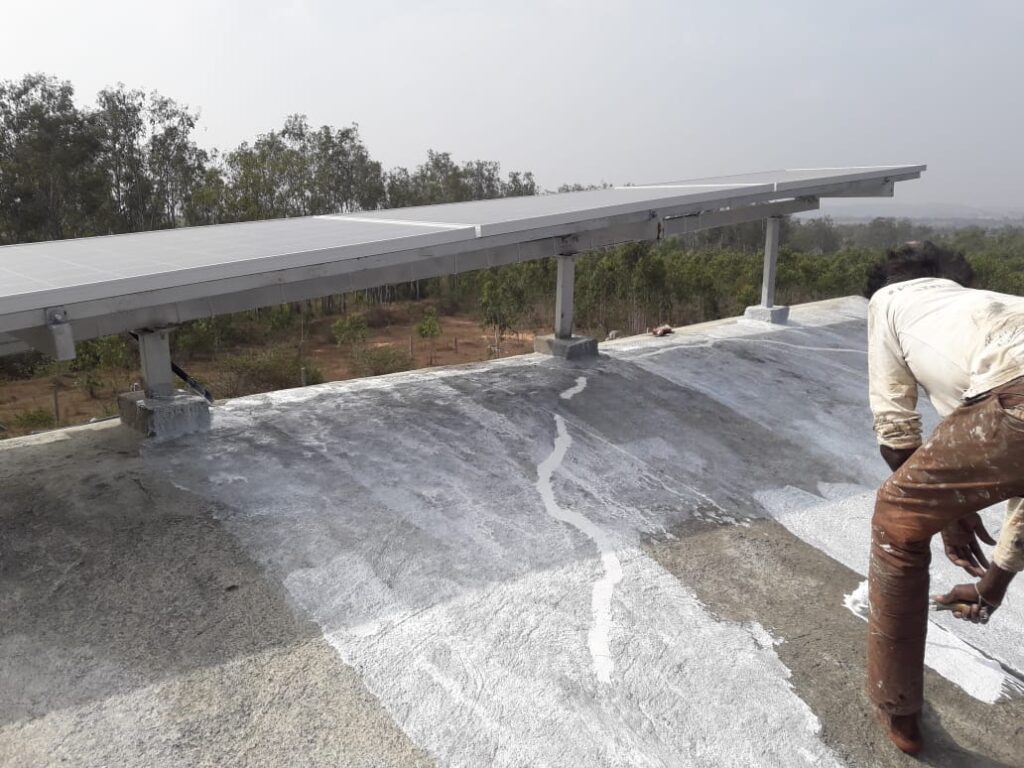
- The entire house, including the outhouse, is powered by 2.2 kW solar panels installed on the roof, allowing the home to operate independently of the grid.